
Introduction
In today’s digital-first world, your website is often the first impression customers have of your business. Whether you’re a startup, a service provider, or an e-commerce brand, a strong online presence is no longer optional—it’s essential. This is where web design and development services come in. A professionally built website doesn’t just represent your brand visually; it’s a functional tool that drives conversions, builds credibility, and helps you stand out in a crowded marketplace. Businesses that invest in high-quality web design and development are investing in long-term digital success.
The Fusion of Design and Functionality
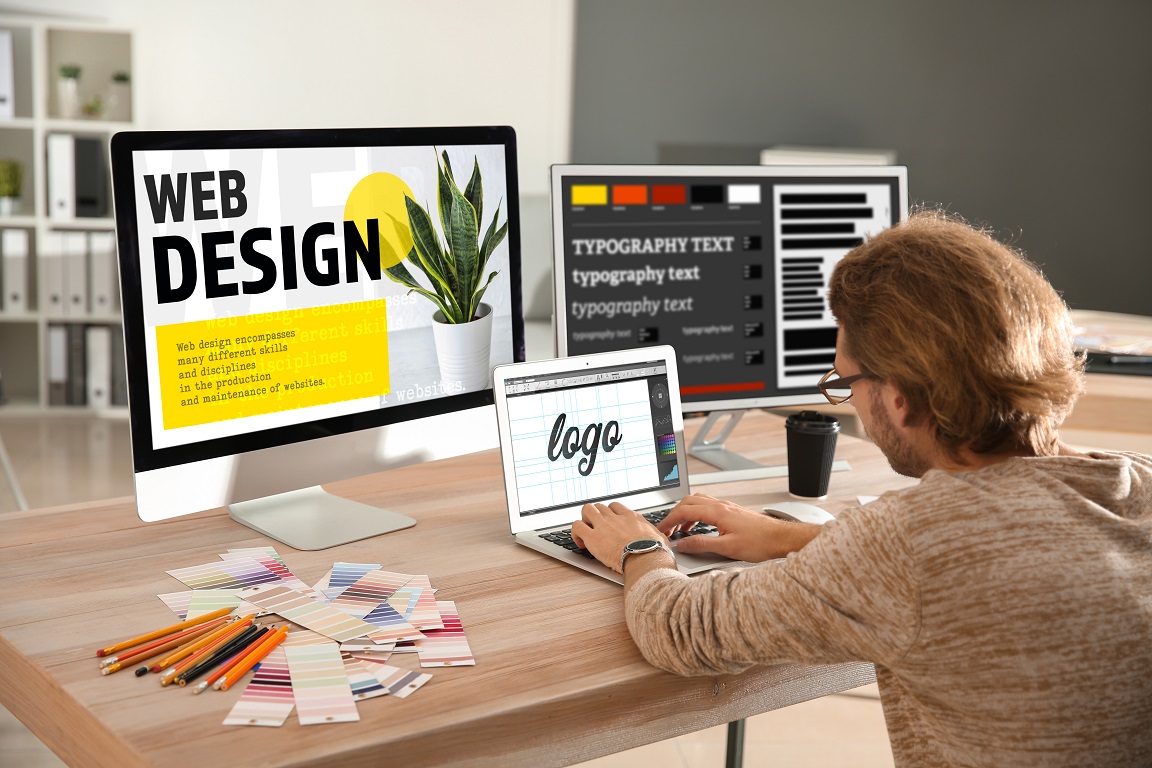
At the heart of any great website lies the perfect blend of aesthetics and usability. Web design focuses on the visual layout, branding consistency, color schemes, typography, and user experience. It ensures that your site looks modern, clean, and aligned with your brand identity. But design alone isn’t enough. Web development is what brings the design to life—transforming static layouts into interactive, responsive, and dynamic websites that work seamlessly across devices and browsers. Developers work behind the scenes to create code that powers the site, builds functionality, and ensures everything operates as it should, from page transitions to contact forms and payment gateways.
Why Custom Design Matters
Every business is unique, and your website should reflect that. Template-based websites can only take you so far. A custom web design tailored to your brand’s personality and goals will always outperform a generic one. Custom designs allow for creative freedom and precise alignment with your marketing strategy, enabling better user engagement, brand recognition, and conversion rates. Moreover, a custom-built website can scale with your business, making it easier to add features, pages, or integrations as you grow. Whether you need a booking system, a product catalog, or multilingual support, custom design provides the flexibility to match your vision.
Responsive and Mobile-Friendly Development
With more than half of web traffic now coming from mobile devices, mobile responsiveness is no longer a feature—it’s a necessity. Responsive design ensures that your website adapts to any screen size, providing a consistent and enjoyable user experience whether someone is browsing from a smartphone, tablet, or desktop. Modern development practices focus on optimizing performance, reducing load times, and implementing responsive layouts that feel natural and intuitive on every device. A mobile-friendly site not only improves usability but also supports better SEO rankings, helping more users find your business online.
The Role of SEO in Web Development
A beautifully designed website is ineffective if no one can find it. That’s why SEO (Search Engine Optimization) must be a core part of the development process. Developers implement SEO best practices from the ground up—such as fast load speeds, clean code, secure HTTPS protocols, and structured data. Designers collaborate by ensuring proper content hierarchy, metadata inclusion, and user-friendly navigation. Together, these elements help search engines understand your site and rank it higher for relevant keywords. A fully optimized website attracts organic traffic, reduces reliance on paid ads, and creates a strong foundation for long-term digital marketing success.
User Experience as a Business Strategy
Good web design is more than just visual appeal; it’s about how users feel when interacting with your site. An intuitive user experience (UX) helps guide visitors through your site effortlessly—highlighting key content, simplifying navigation, and reducing friction in tasks like filling out a form or completing a purchase. Every element, from CTA buttons to menu layouts, is designed to improve engagement and satisfaction. When users enjoy their experience, they are more likely to trust your brand, recommend your services, and return in the future. UX is not just a design principle—it’s a business growth strategy.
Ongoing Maintenance and Support
A website isn’t a one-time project; it’s a living, breathing asset that requires ongoing care. Web design and development services often include maintenance packages to ensure your site remains secure, fast, and up to date. This involves fixing bugs, updating plugins or frameworks, monitoring performance, and making improvements based on analytics and user feedback. Without regular maintenance, even the best websites can become vulnerable to security threats, broken links, or outdated content. Long-term support helps you avoid costly downtime and keeps your site aligned with evolving user expectations and technology trends.
Conclusion
Web design and development are no longer just about creating an online presence—they’re about crafting an experience that builds trust, communicates value, and drives results. When done right, a website becomes more than a digital brochure. It becomes your most powerful business tool—open 24/7, scalable, measurable, and tailored to convert visitors into loyal customers. Whether you’re starting from scratch or looking to revamp your existing site, investing in professional web design and development services is a decision that pays off through better visibility, stronger brand perception, and lasting digital impact.